A cardinal's pleasure garden, now everyone's
Villa Borghese began in the early seventeenth century as the suburban estate of Cardinal Scipione Borghese, nephew of Pope Paul V, who used it to display his art collection and entertain guests. Over the following centuries, later generations of the family reshaped the grounds in the landscape taste of their day, adding avenues, fountains, garden buildings and a lake. At the start of the twentieth century the estate passed into public ownership, and today it is one of the largest public parks in central Rome, commonly cited at around 80 hectares.
Walking into the gardens costs nothing, and there are no ticket gates on the main paths. What makes the park special is density: in a single morning you can move from a Baroque-era viewpoint to a lake with rowing boats, from a Neoclassical temple to a sculptor's former home, without spending more than the price of a coffee.
What to see without paying
- Pincio Terrace. Technically the Pincian Hill gardens adjoining the park, this balcony above Piazza del Popolo is one of the best free viewpoints in the city. Sunset draws a crowd for good reason — the domes of the centro storico turn gold.
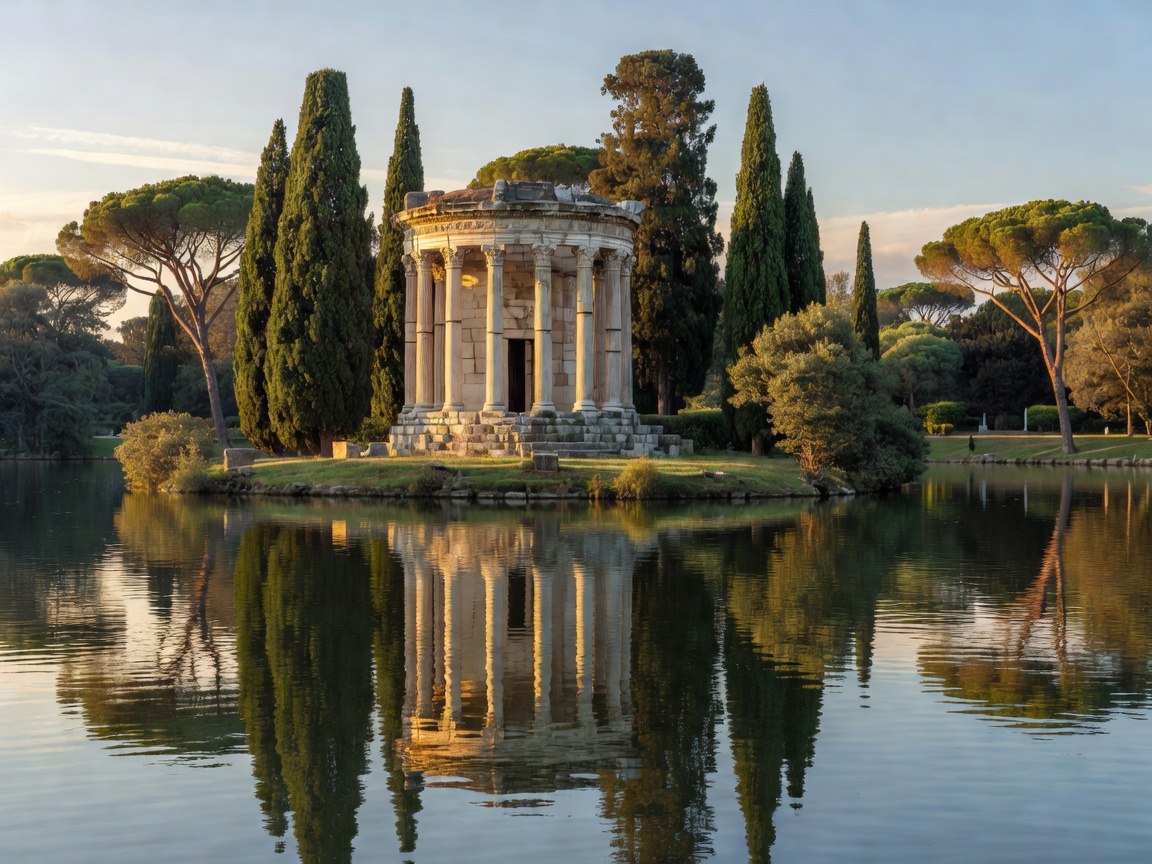
- Giardino del Lago. A small lake with the Temple of Aesculapius on its island, framed by weeping willows. Rowing boats can be hired (paid), but the lakeside benches are free.
- Piazza di Siena. An oval, amphitheatre-like clearing ringed by umbrella pines. It hosts an international show-jumping event in spring; the rest of the year it is an open, atmospheric space for a stroll.
- Two free museums. The Museo Carlo Bilotti and the Museo Pietro Canonica are civic museums within the grounds, both short walks from Piazza di Siena.
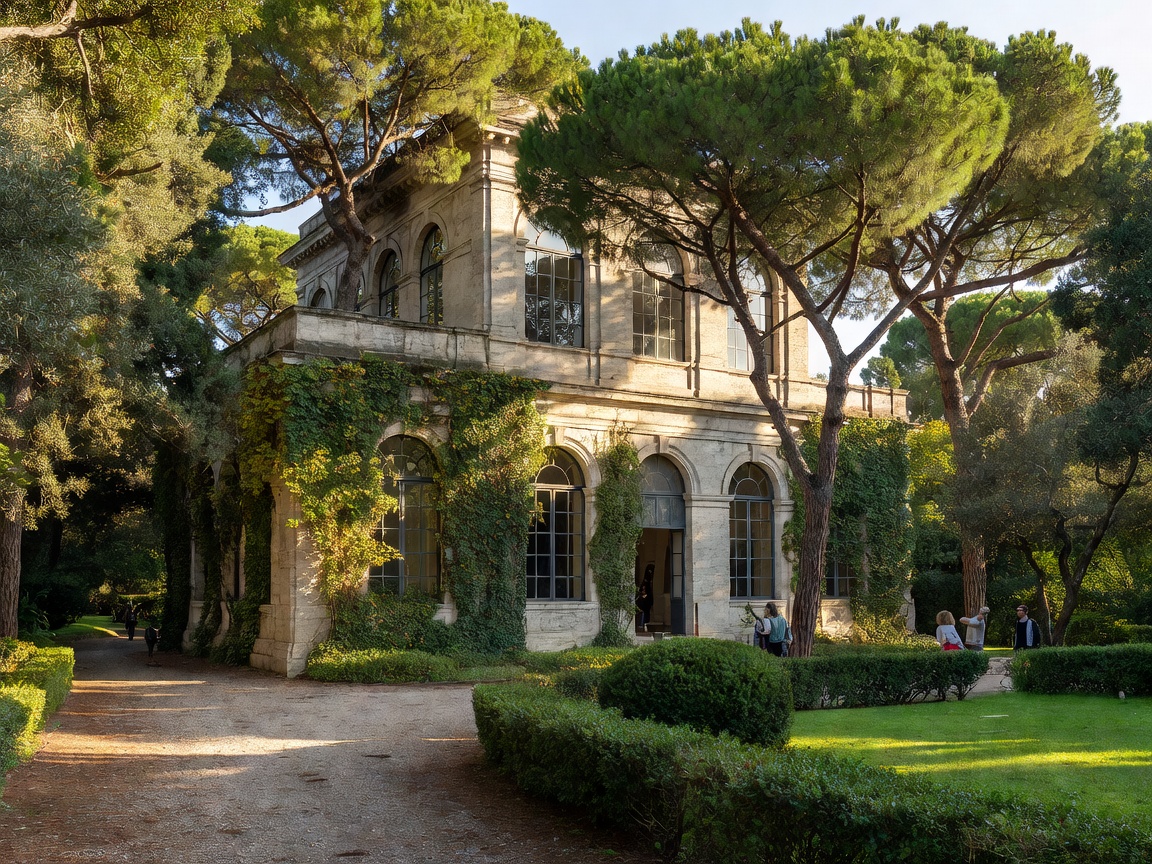
- Casa del Cinema. A film centre in a former villa building that regularly programmes screenings, talks and small exhibitions — some events are free, so check its schedule.
Free versus paid: know the difference
The park's most famous building, the Galleria Borghese, holds major works by Bernini and Caravaggio but is not free: entry requires a paid, pre-booked timed ticket, and slots often sell out in high season. The Bioparco zoo, the Silvano Toti Globe Theatre's summer performances, boat hire and bike or electric-cart rental also charge. The state-run Galleria Nazionale d'Arte Moderna and the Etruscan museum at Villa Giulia sit on the park's northern edge and have paid admission, although Italy's state museums have periodically offered national free-entry days. Prices and policies change, so treat the official websites as the final word.
The practical takeaway: plan your free itinerary around the terraces, lake and two civic museums, and budget separately if you want the Galleria Borghese.
Getting there
The simplest approach is Metro Line A to Flaminio, then a gentle climb from Piazza del Popolo up the ramps to the Pincio. From Spagna, walk from the top of the Spanish Steps along Viale della Trinità dei Monti, which leads straight to the terrace. Arriving from Via Veneto, enter through Porta Pinciana. Paths are mostly paved or compacted gravel, with some long slopes; distances across the park are greater than they look on a map.
Pros and cons
Pros
- Free, central and easy to reach by metro
- Plenty of shade under mature pines and oaks
- Two free museums inside the grounds
- Cafés, kiosks and play areas for families
Cons
- Busy on weekends and sunny holidays
- Signage can be sparse between landmarks
- Paid attractions sit right beside free ones
- Some outlying corners feel less maintained
How it compares
| Park | Setting | Shade | Best for | Free museum on site |
|---|---|---|---|---|
| Villa Borghese | Landscaped villa gardens | Plenty | Families, views, art | Bilotti, Canonica |
| Parco degli Acquedotti | Open countryside, Roman ruins | Very little | Photography, running | None |
| Parco Sempione | English-style city park | Good | Architecture, picnics | Castello courtyards only |
Tips for a better visit
- Arrive early on weekends to enjoy the lake before the crowds.
- Pair the two free museums in one loop — they are about ten minutes apart on foot.
- Save the Pincio for the end of the day and walk down to Piazza del Popolo for dinner.
- Check museum closing days before you go; civic museums in Rome typically close on Mondays.