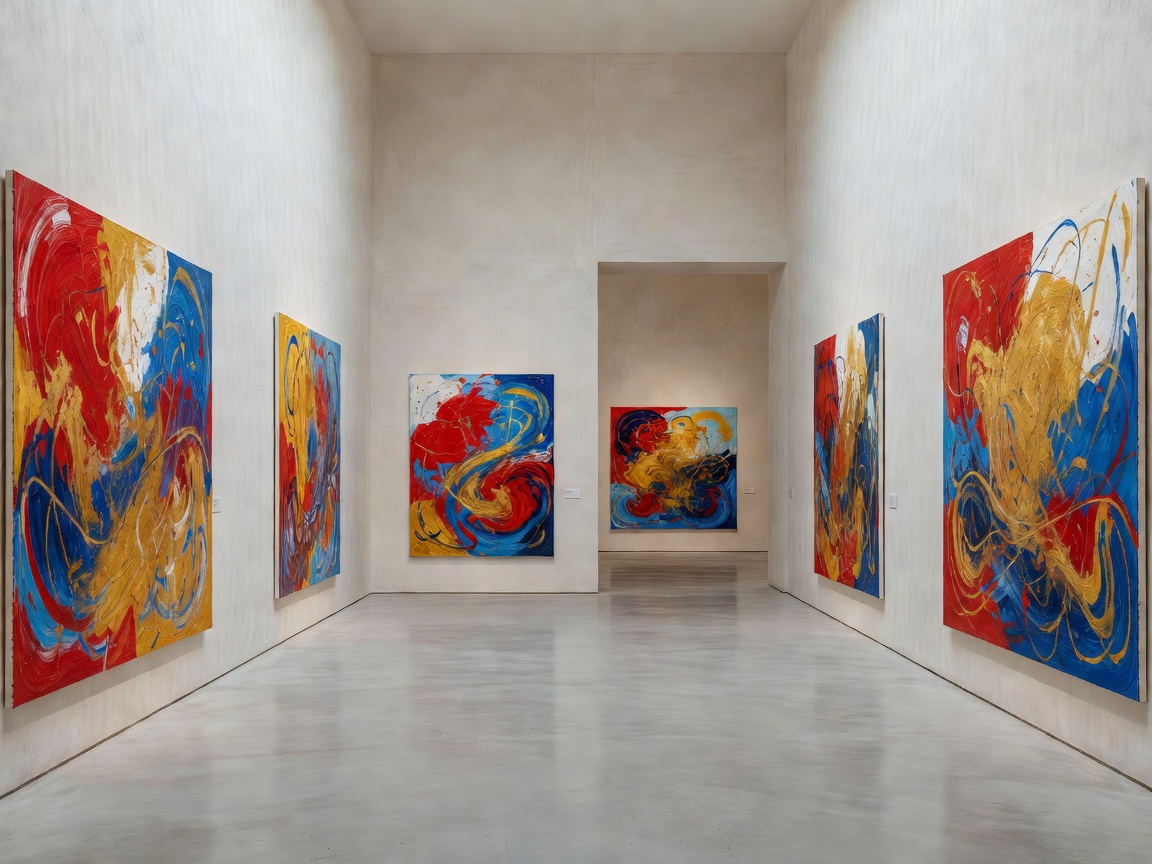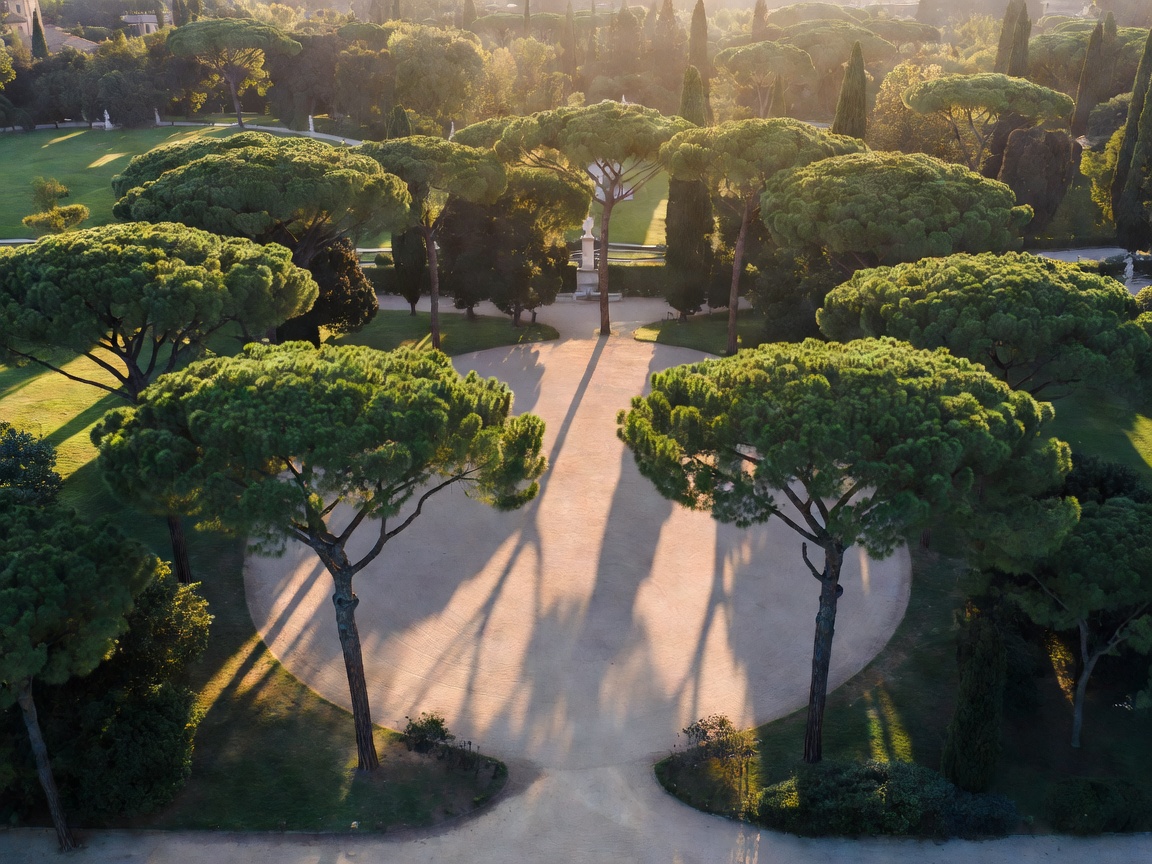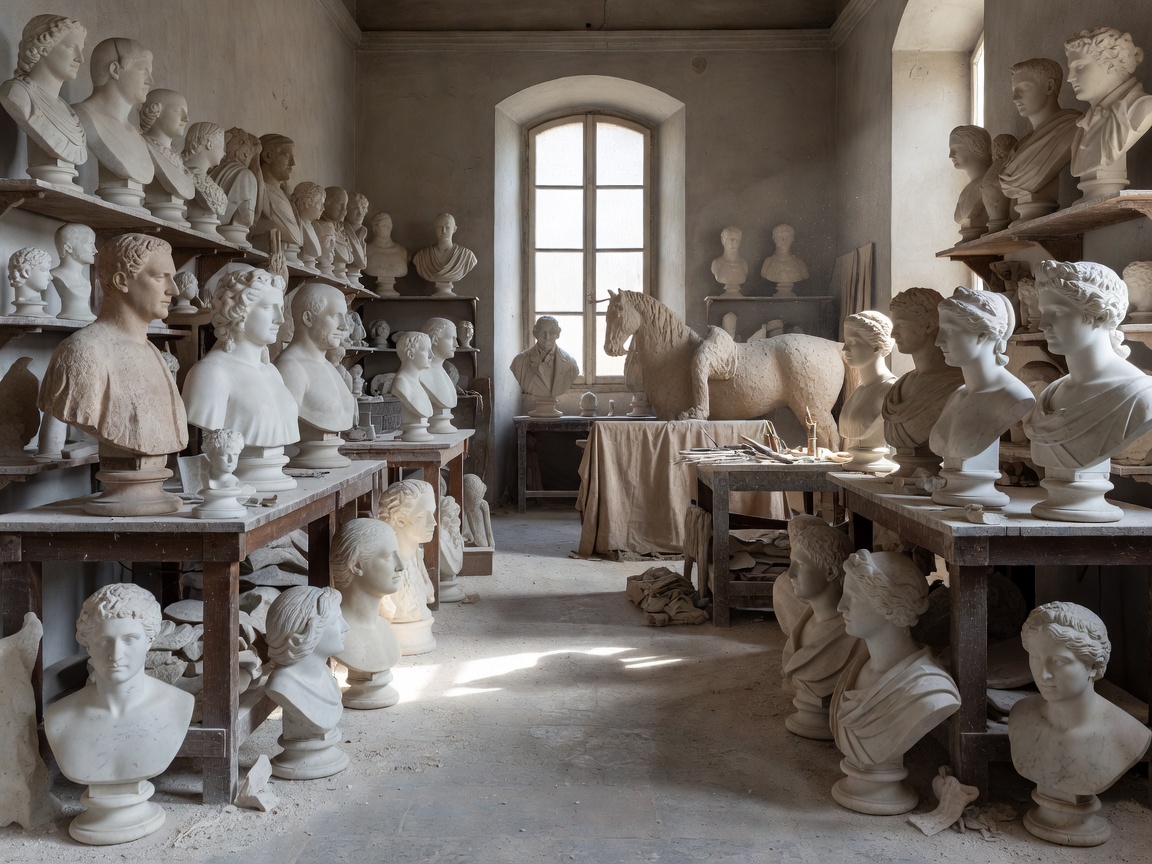
The sculptor in his castle
Pietro Canonica (1869–1959) was a sculptor from Piedmont who became one of the most sought-after portraitists of his era, working for royal households, statesmen and aristocratic families across Europe and beyond. In the 1920s he was granted the use of the Fortezzuola, a small, castle-like building in Villa Borghese near Piazza di Siena, which he turned into his home and studio. He left the building and its contents to the City of Rome, and today it is a civic museum within the Musei in Comune network, with free admission to its permanent displays.
What makes the museum memorable is its intimacy. Rather than a white-walled gallery, you move through the spaces where Canonica actually worked and lived, so the sculptures feel connected to a life rather than simply arranged for display.
What you will see
- Marble and bronze works. Portrait busts, allegorical figures and equestrian studies show the polished, academic realism for which Canonica was celebrated.
- Plaster models and studies. Full-size plasters and preparatory models for public monuments reveal how large commissions were developed. Canonica's monumental work includes the Republic Monument in Istanbul's Taksim Square.
- The studio. His working space, with tools and works in progress, gives a sense of a sculptor's daily practice.
- The private apartment. Furnished rooms on the upper floor preserve his domestic surroundings, including furniture, paintings and personal objects.
- A musical side. Canonica also composed music, a less-known facet of his career that surfaces in the museum's interpretation.
Free admission: the details
The permanent collection has been free to visit. Occasional temporary exhibitions or events may be priced separately. Like other civic museums in Rome, it is typically closed on Mondays, and hours vary by season — always confirm on the official Musei in Comune website. The building is historic and compact, so accessibility to upper rooms may be limited; contact the museum in advance if step-free access matters to you.
Getting there
The Fortezzuola stands on Viale Pietro Canonica, beside Piazza di Siena, in the centre of Villa Borghese. From Metro Line A at Flaminio or Spagna, walk up to the Pincio and continue into the park; allow 15 to 25 minutes. The Museo Carlo Bilotti in the old orangery is a short walk away, making the pair an easy free double-bill.
Pros and cons
Pros
- Free, calm and rarely crowded
- Authentic studio and home, not a reconstructed gallery
- Excellent for understanding sculptural process
- Charming building in the heart of the park
Cons
- Small collection focused on one artist
- Academic style may not appeal to modern-art fans
- Limited access to upper floors for some visitors
- Few facilities on site
How it compares
| Museum | Experience | Admission | Crowds | Ideal visitor |
|---|---|---|---|---|
| Museo Pietro Canonica | Artist's house-studio | Free (permanent collection) | Light | Sculpture and history lovers |
| Museo Carlo Bilotti | Modern art gallery | Free (permanent collection) | Light | Modern art fans |
| Galleria Borghese | Masterpiece collection | Paid, timed entry | Heavy, capped by slots | Baroque and Renaissance fans |
Tips for a better visit
- Compare a finished marble with its plaster model to see how a design changed.
- Visit late morning, then picnic by Piazza di Siena under the pines.
- Allow time for the garden around the Fortezzuola, which is part of the charm.