A landscape park on a ducal backyard
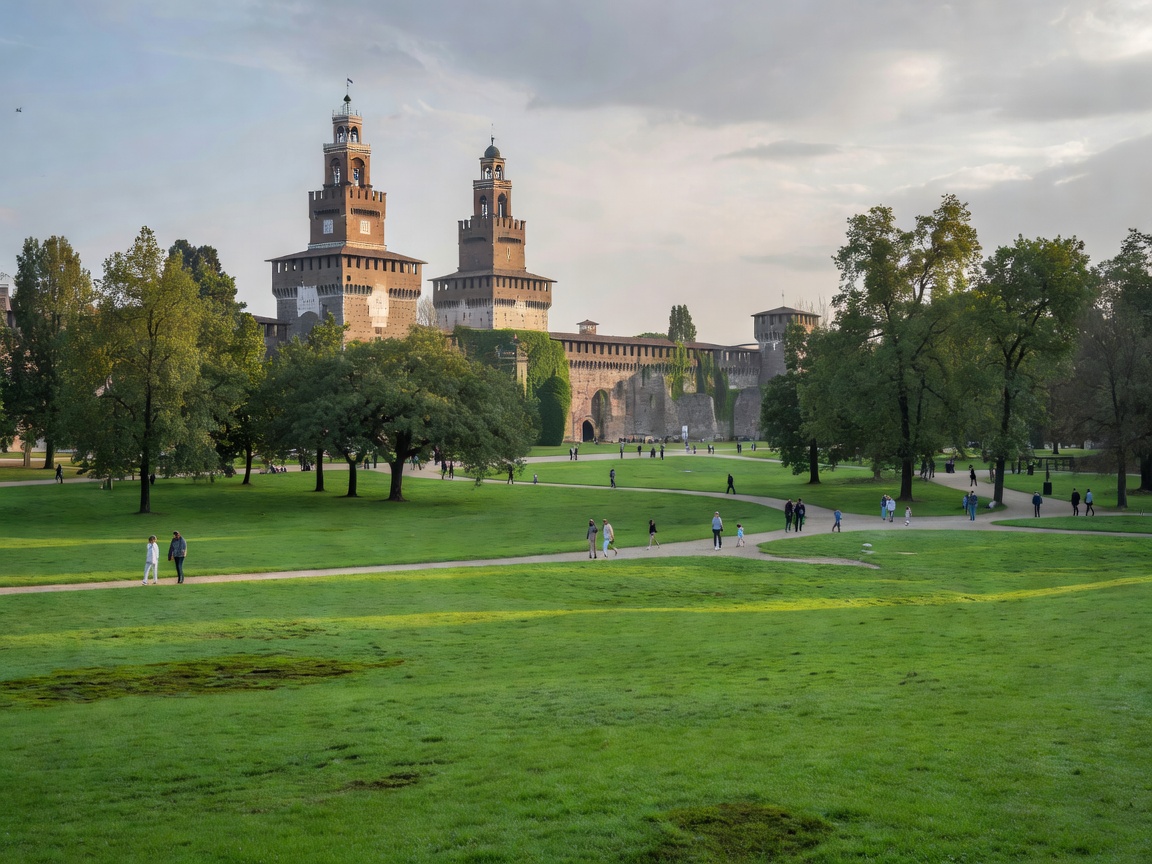
Parco Sempione occupies land behind Castello Sforzesco that once belonged to the ducal estates and later served as a military parade ground. In the late nineteenth century the architect Emilio Alemagna laid it out as an English-style landscape park, with winding paths, a small lake, gentle mounds and informal groves. Covering roughly 38 hectares, it is Milan's best-known central park and entry is free.
Its great strength is the axis that runs through it. Stand at the castle and you look across lawns to the Arco della Pace, a triumphal arch begun in the Napoleonic era and completed in the 1830s; stand at the arch and the castle closes the view. In between, the park collects some of Milan's most interesting twentieth-century architecture.
What to see without paying
- Castello Sforzesco courtyards. The castle's vast courtyards are free to walk through and make a dramatic gateway to the park. The civic museums inside the castle charge admission, with periodic free-entry opportunities set by the city.
- Arco della Pace. Free to admire from every side, and the surrounding piazza is one of Milan's liveliest evening spots.
- Ponte delle Sirenette. A small nineteenth-century cast-iron bridge decorated with mermaid figures, relocated to the park's lake from its original canal setting.
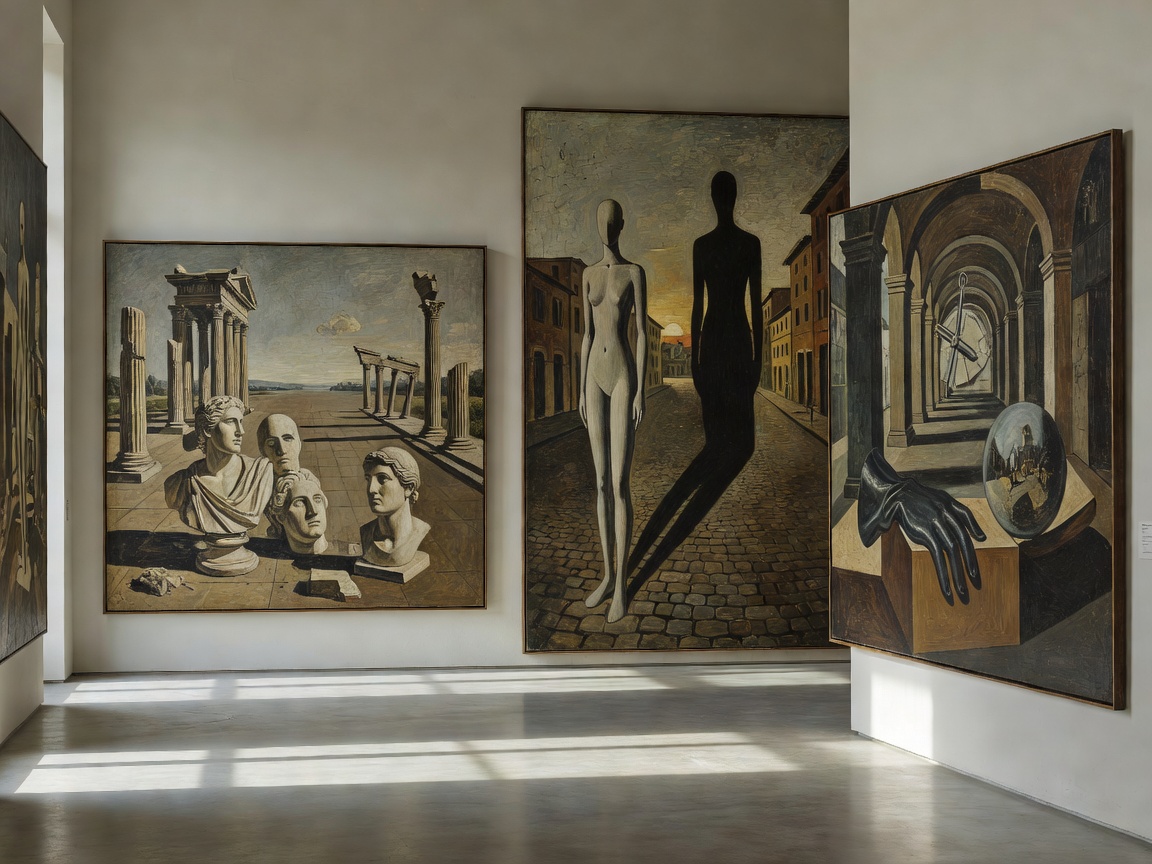
- De Chirico's Bagni Misteriosi. In the garden of the Triennale stands a fountain-sculpture by Giorgio de Chirico — a neat link to the collection at Rome's Museo Carlo Bilotti.
- Arena Civica. A Napoleonic-era arena on the park's edge, still used for sports and events; its exterior is worth a look.
Free versus paid
Several landmarks in and around the park have paid entry. The Torre Branca, a slim steel tower designed by Gio Ponti in 1933, charges for its lift to the viewing platform. The Triennale di Milano, a design and architecture institution in the Palazzo dell'Arte, has ticketed exhibitions, though its building, garden and café are pleasant to visit. Castle museum tickets are separate from the free courtyards. Prices change, so check the official websites before you go.
Getting there
The park is ringed by metro stations. Cadorna (M1 and M2, with suburban and airport trains) is closest to the Triennale side; Cairoli (M1) lands you at the castle's front; Lanza (M2) suits the northern edge. From the Duomo, walking up Via Dante to the castle takes around 15 minutes. Paths are flat and paved or gravelled, making the park one of the more accessible green spaces in this guide.
Pros and cons
Pros
- Free, central and flat — easy for all ages
- Superb architectural vistas in every direction
- Good shade from mature trees
- Excellent transport links, including airport trains
Cons
- Busy on fine weekends and during major events
- Major attractions around it charge admission
- Some quieter corners feel less welcoming after dark
- No free museum inside the park itself
How it compares
| Park | Size (approx.) | Terrain | Signature sight | Nearby free culture |
|---|---|---|---|---|
| Parco Sempione | About 38 ha | Flat, paved paths | Castle-to-arch axis | Castle courtyards, public art |
| Villa Borghese | About 80 ha | Gentle slopes | Pincio Terrace | Bilotti and Canonica museums |
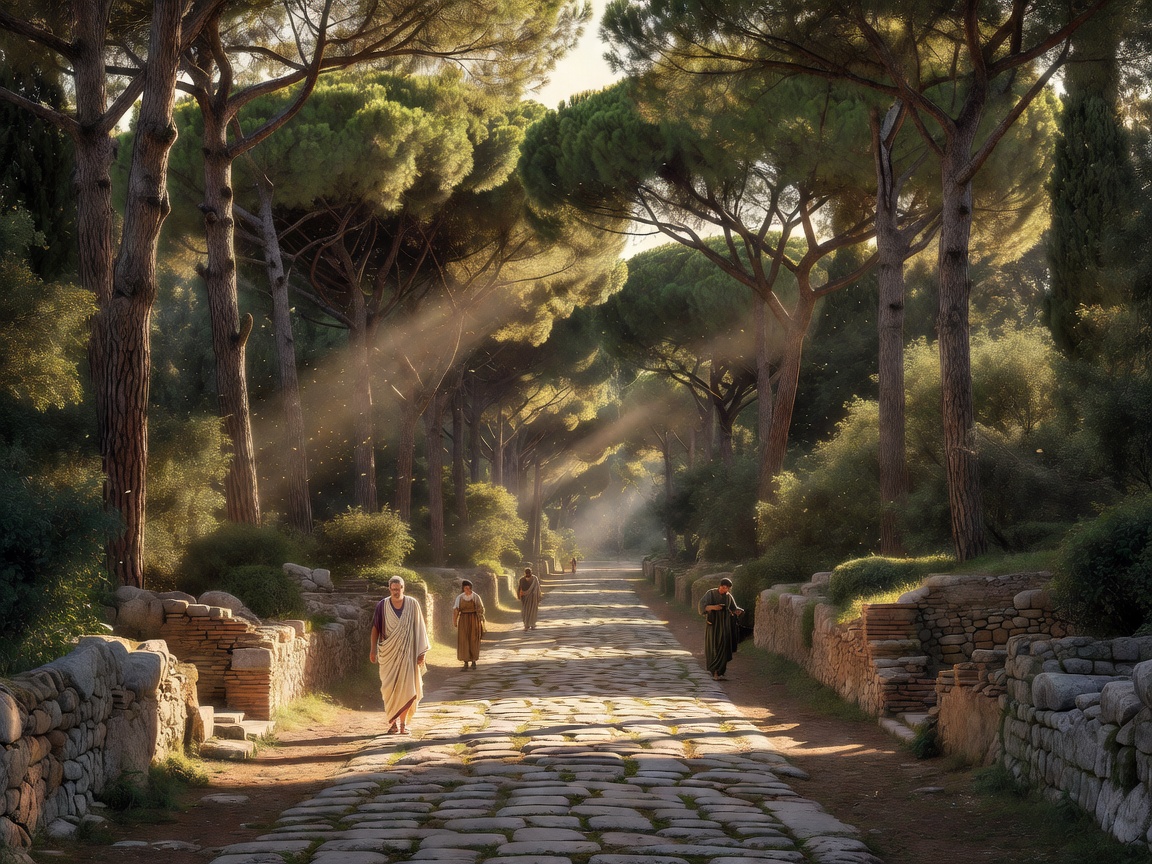
| Parco degli Acquedotti | Part of a large regional park | Flat, unpaved | Aqua Claudia arches | The ruins themselves |
Tips for a better visit
- Enter through the castle courtyards and exit at the Arco della Pace for the full axial sequence.
- Time your walk for aperitivo hour, when the streets around the arch come alive.
- Check the city's calendar for concerts and events that may close parts of the lawns.