A collector's gift in a garden building
The Museo Carlo Bilotti occupies the Aranciera, the former orangery of Villa Borghese, where citrus trees were once sheltered through the winter. The building was restored and opened as a museum in 2006 to house works donated to the City of Rome by Carlo Bilotti, an Italian-born collector of modern and contemporary art. It is part of the city's network of civic museums, the Musei in Comune, and its permanent collection has been free to visit.
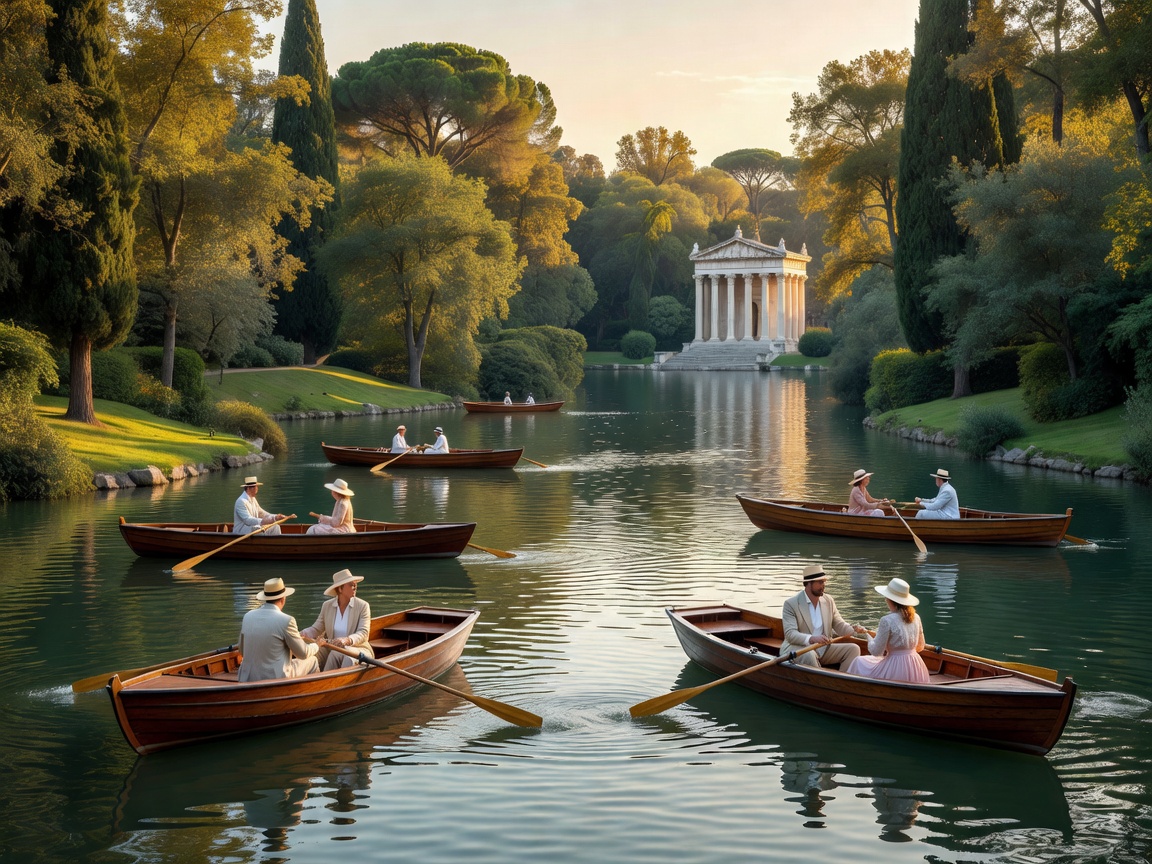
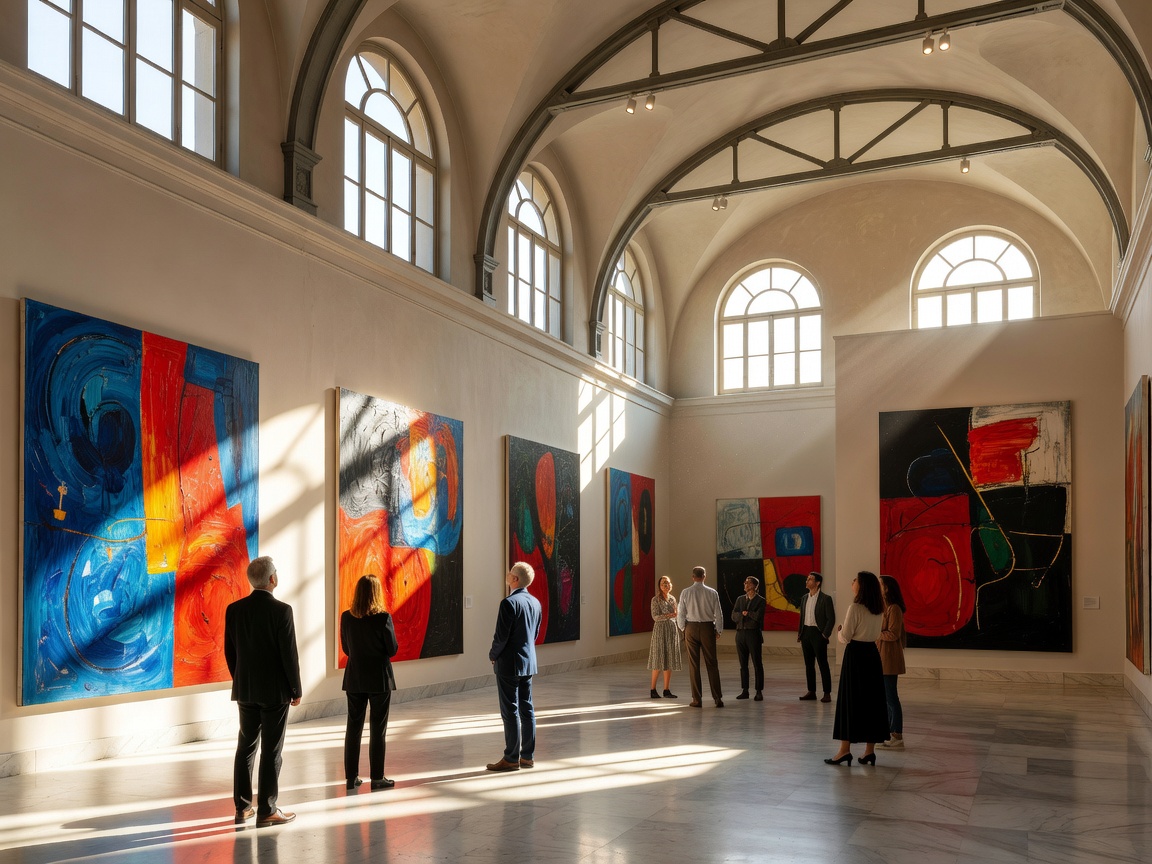
The setting is a large part of the appeal. Tall windows and pale walls give the rooms a calm, airy feel, and the museum sits a short walk from the Giardino del Lago, so a visit slots neatly into a morning in the park.
What's in the collection
The heart of the museum is a substantial group of works by Giorgio de Chirico, the Italian painter associated with Metaphysical art. Paintings and sculptures from different phases of his long career allow visitors to trace recurring motifs — empty arcaded squares, mannequins, classical fragments and theatrical interiors — in a way that is hard to do in larger museums, where he is usually represented by a single canvas.
Alongside de Chirico are works connected to the Bilotti family's collecting, including a portrait by Andy Warhol and pieces by Larry Rivers, as well as work by Italian modernists such as Gino Severini. The museum also stages temporary exhibitions of modern and contemporary art, which rotate through the year and can be the most compelling reason for a repeat visit.
Free admission: the details
Access to the permanent collection has been free. Temporary exhibitions are sometimes included and sometimes carry a separate charge, depending on the show and the organiser. Civic museums in Rome are typically closed on Mondays, and hours can vary seasonally, so check the official Musei in Comune website before you set out. There is no timed booking system for the permanent displays, which makes this an easy, spontaneous addition to a park walk — a sharp contrast with the nearby Galleria Borghese.
Getting there
The Aranciera stands in the heart of Villa Borghese, near the Giardino del Lago. From Metro Line A at Flaminio, walk up to the Pincio and follow the paths east towards the lake; from Spagna, use the path from the top of the Spanish Steps. Allow 15 to 25 minutes on foot from either station. The Museo Pietro Canonica is close by, and the two pair naturally.
Pros and cons
Pros
- Free permanent collection with no timed booking
- Rare depth of de Chirico in one place
- Bright, uncrowded rooms in a historic garden building
- Easy to combine with the lake and Canonica museum
Cons
- Small — most visitors finish within an hour
- Temporary shows may charge separately
- Limited on-site facilities
- Less known, so opening changes are easy to miss
How it compares
| Museum | Focus | Admission | Booking | Time needed |
|---|---|---|---|---|
| Museo Carlo Bilotti | Modern art, de Chirico | Free (permanent collection) | Not required | 45–60 min |
| Museo Pietro Canonica | Sculpture, artist's home | Free (permanent collection) | Not required | About 45 min |
| Galleria Borghese | Bernini, Caravaggio, Old Masters | Paid | Timed ticket required | Fixed time slot |
Tips for a better visit
- Look for the way de Chirico returns to the same motifs decades apart — the collection rewards slow comparison.
- Check the temporary exhibition programme online; it changes what the visit feels like.
- Combine with a lakeside break and the Canonica museum for a free half-day.